
AI-Assisted Video Surveillance: What It Changes for Your Premises
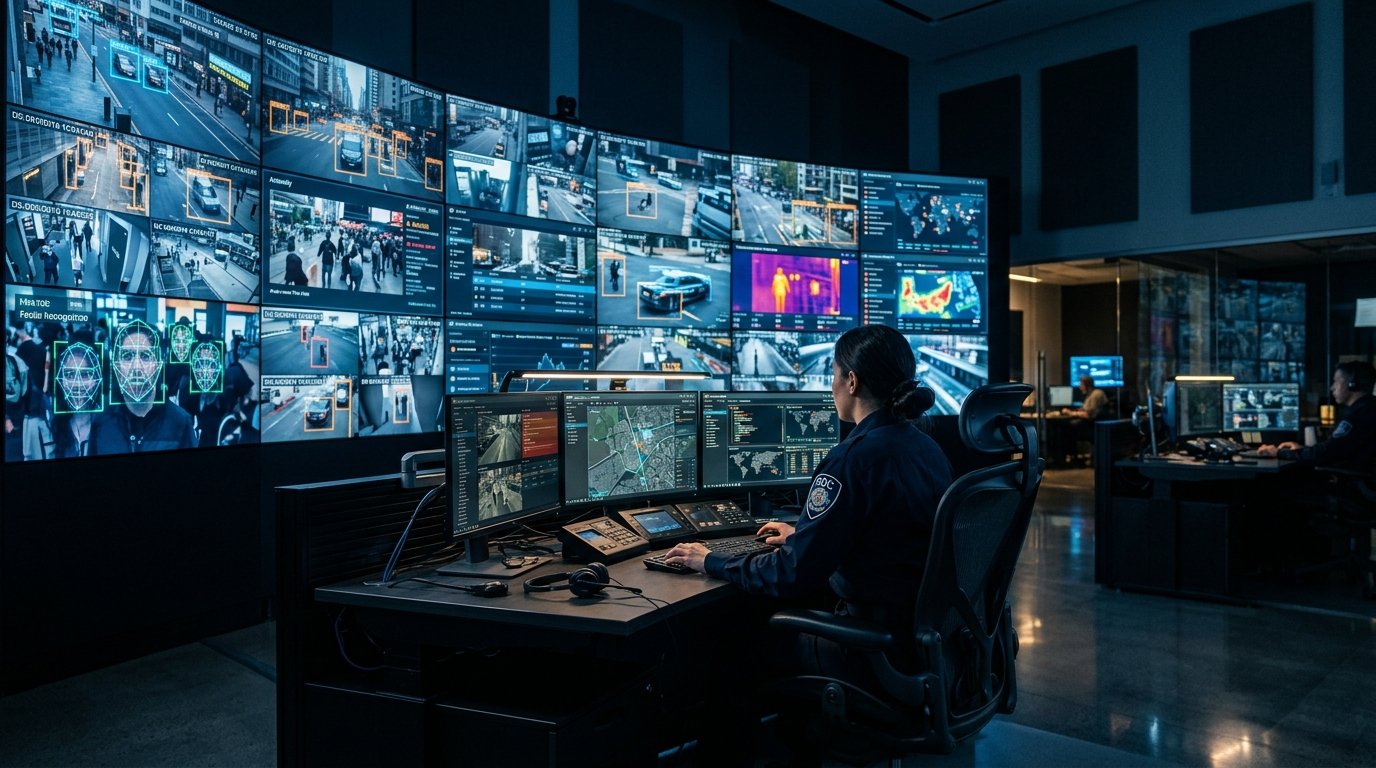
For decades, conventional video surveillance faced a fundamental limitation: it was primarily forensic, used to review recordings after a burglary or vandalism had already occurred. The advent of artificial intelligence embedded into real-time video feeds has radically rewritten these rules.
1. An End to Repetitive False Alarms
Traditional motion sensors were easily tripped by foliage swaying in the wind, small animals, or passing headlights. AI neural models classify visual objects: distinguishing human silhouettes, vehicles, and wildlife. Only events representing tangible security threats trigger alerts.
2. Proactive Anomaly and Behavioral Detection
AI does not wait for a door to be breached. It actively detects lingering loitering along perimeter fences, unauthorized presence inside sterile zones after hours, or unattended luggage in reception areas.
3. Vital Support for Monitoring Operators
No human operator can watch 60 video screens simultaneously with unwavering concentration for an eight-hour shift. AI brings only critical feeds with validated anomalies into focus. Visual verification occurs within seconds, initiating rapid mobile intervention without delay.

Athanase Ahibo
Executive leadership at Wazy Security Privée, providing strategic insight into risk management, CNAPS standards, and private security intelligence.
Need an on-site security assessment?
Request a bespoke site study conducted by our senior security directors.
Request a Quote